Test, One-Day or T20: Choosing a First Match to Follow
Choosing a first cricket match is easier when you compare Test, One-Day and T20 formats by time scale, structure and the kind of tension each creates.

Choosing a first cricket match is easier when you match its format to the kind of unfolding story you enjoy. A Test, a One-Day International and a T20 all use the same basic contest between bat and ball, but they give that contest very different amounts of room to change. One may appeal because its pressure accumulates slowly; another because a result is expected within a single day.
The useful distinction is not simply “long” against “short.” Each format sets a different boundary around the match: how many innings each side may have, how much time the players have, and what counts as a complete contest. Those boundaries shape what a viewer can follow and when a match is likely to feel settled—or unexpectedly open again.
Three match shapes
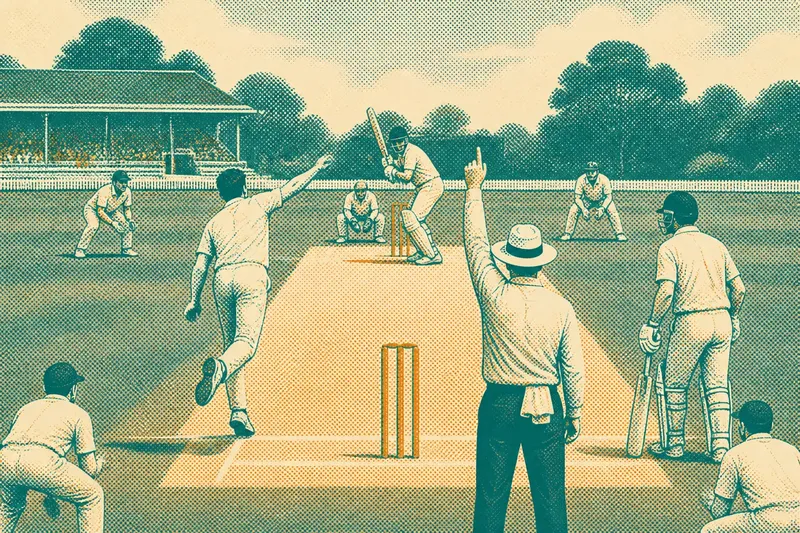
In cricket, an innings is a team’s turn to bat. The batting side tries to score runs; the fielding side tries to dismiss its batters and limit those runs. An over is a set of legal deliveries bowled by one player, after which a teammate bowls from the other end. The same broad actions appear in all three formats, but the innings structure changes how they matter.
A Test match gives each side two innings, subject to the match’s progress and the possibility of a declaration, when a captain ends the team’s innings voluntarily. Tests are scheduled across as many as five days, with breaks between sessions and days. A side can win by scoring more runs and dismissing the opposition twice, but a match can also be drawn if time runs out before either team secures a win. A tie is a separate, uncommon result in which scores are level after both sides’ innings are complete.
A One-Day match gives each side one innings, with a limited number of overs. In the familiar international form, each team is scheduled to face up to fifty overs, though a shortened match may be needed if weather or interruptions reduce playing time. The innings form a direct sequence: one side sets a total, then the other tries to pass it. A winner is normally decided within the day, unless conditions or a tied score require a further method under the competition’s rules.
A T20 match also gives each side one limited-overs innings, but the innings are shorter than in One-Day cricket. The compact format puts a sharper limit on the time available to build a score. The chasing side knows its target from the start of its innings, and every remaining over becomes part of the calculation. Competition rules determine details such as how interruptions affect the available overs and how a tied match is resolved.
Time and attention
Think of the formats as different-sized canvases. A Test is like a large sheet of paper: a small mark can become meaningful because there is room for the picture to develop around it. A T20 is closer to a pocket notebook: each passage has to do its work in less space. One-Day cricket sits between them, with enough time for a changing plan but a firm daily boundary.
That difference affects the sort of attention a viewer brings. In a Test, conditions and decisions can be revisited over several sessions. A quiet stretch may be part of a larger contest: batters preserving their wickets, bowlers trying to create a chance, or a team waiting for a better moment to attack. A viewer who enjoys gradual shifts may find that continuity rewarding, though the result is not always known by the end of the scheduled days.
One-Day cricket offers a complete arc in a single day. The first innings establishes a target, and the second turns that target into a visible problem. There is room for a steady start, a middle phase in which teams manage risk, and a late push. The match can change direction without requiring a viewer to track it across multiple days.
T20 compresses that arc further. A quiet passage can feel consequential because fewer overs remain in which to recover, while a burst of scoring can quickly alter the target. The format suits viewers who prefer a shorter commitment and a contest whose major turning points tend to arrive in a more concentrated span. It is still possible for a match to be lopsided or interrupted; brevity does not dictate excitement.
How pressure changes
In a Test, a team may have time to respond after a setback. Losing a wicket can matter greatly, but the remaining innings and the calendar leave room for a new partnership or a change in approach. The possibility of a draw adds another dimension: sometimes a team must balance the desire to win against the need to avoid losing. A lead on the scoreboard is therefore only one part of the story; time and the remaining wickets matter too.
One-Day pressure is more tightly linked to the target and the overs left. A batting side building its first-innings total has to decide how to balance caution with scoring. The chasing side can compare its progress with the required rate—the pace of scoring needed to reach the target before its overs run out. That figure is a guide, not a verdict: wickets in hand and the batters still to come can change how demanding the chase feels.
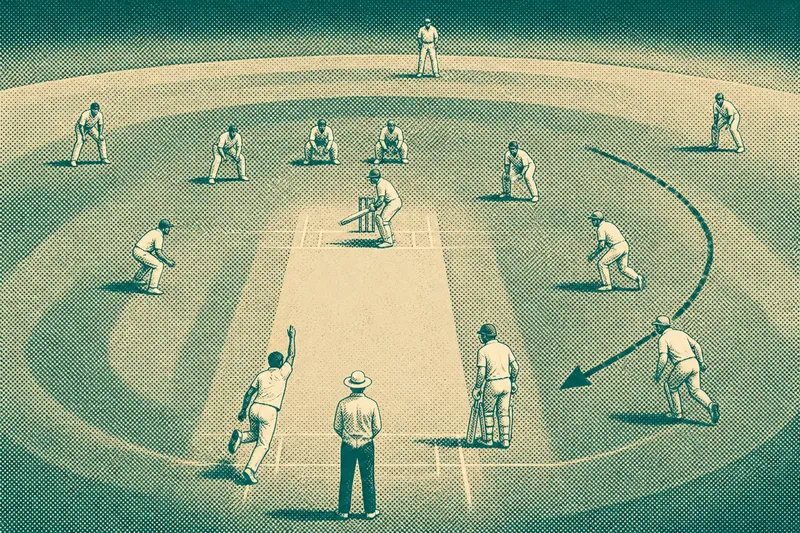
In T20, the same comparison becomes especially visible because the innings is shorter. A team may take early risks to create momentum, preserve wickets for a late surge, or adjust after losing a batter. The fielding side has its own choices about bowlers and defensive or attacking fields. Those decisions can shift the contest quickly, but the basic question remains easy to grasp: can the batting side score fast enough with the resources it has left?
For a new viewer, these pressures offer different entry points. A Test can invite attention to what a team is trying to set up over time. One-Day cricket makes the changing target a reliable thread. T20 puts the shrinking supply of overs close to the surface. None is a simpler version of the others; each makes a different part of the game easier to see.
Choosing a first match
Start with your available attention, then consider which kind of uncertainty you like. Choose a Test if you are comfortable returning to a contest across sessions and want to see how patience, conditions and the possibility of a draw shape decisions. Choose One-Day cricket if you want a full innings from each team and a result usually contained within one day. Choose T20 if you want the most compact version of that two-innings contest, with less time between the start and the final target.
Imagine you can watch only one evening and enjoy following a clear numerical goal. A T20 match may suit: the first innings sets a target, and the chase gives you a running comparison between runs scored and the overs remaining. If you would rather watch a team manage a contest through distinct phases over a whole day, a One-Day match may fit better. If you like returning to an unresolved story and noticing how the balance shifts, a Test may be the better first choice.
You do not need to learn every fielding position or technical term before choosing. Keep an eye on the score, the innings, wickets lost and overs remaining. In a Test, also notice how much time remains in the match; in a limited-overs game, notice the target and the chase’s progress. These few details give you a working sense of what each side needs.
Questions new viewers ask?
Which format is easiest to follow?
That depends on what feels clear to you. T20 and One-Day cricket offer a visible target and a defined limit of overs, while Test cricket makes time and the possibility of a draw part of the contest. The easiest starting point is the format whose central question you most enjoy tracking.
Does every Test last five days?
No. Five days is the scheduled maximum for many Tests, not a promise that play will continue for the entire period. A match can finish earlier if one side wins, or remain drawn if the available time ends before a result is reached.
Can a limited-overs match end in a tie?
Yes. The teams can finish level, and the competition’s playing conditions specify how that result is handled. Some competitions use a further contest to determine a winner, while the precise method depends on the event.
What should I watch besides the ball?
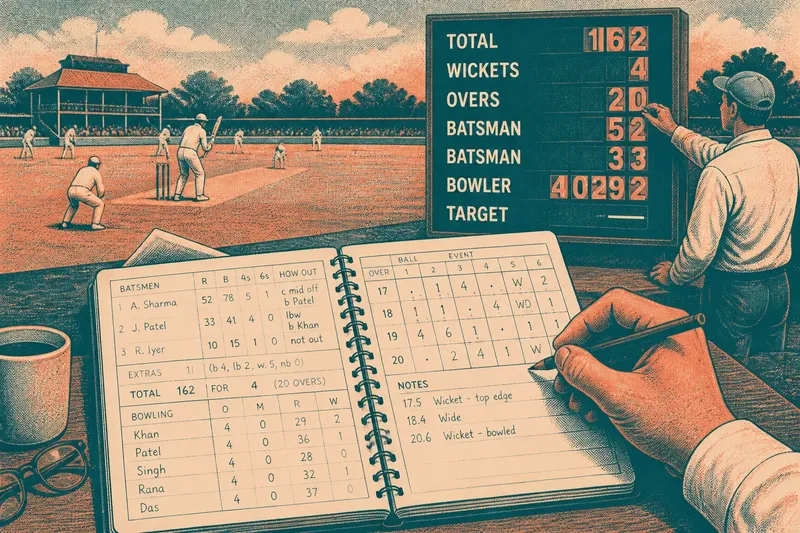
Follow the scoreboard’s basic story: the batting team’s runs, wickets lost and overs used, alongside the target when one has been set. In a Test, consider the match time and the innings still to come; in a chase, compare progress with the remaining overs. That context explains why the same single run or wicket can feel very different from one format to another.
Rules and local variations
These descriptions cover the broad structures, not every competition’s playing conditions. Overs available after interruptions, the length of a scheduled day, and methods for resolving tied or incomplete matches can vary. If a particular match raises a question, its competition’s rules or official scorecard will clarify the details.
For a first choice, let the format’s shape do the work: Test cricket makes time part of the contest, One-Day cricket gives the target a whole-day arc, and T20 places that target in a tighter frame. Choosing a first cricket match by that difference is more useful than trying to predict which one will be most exciting. The format can tell you what kind of question to follow; the players’ answers are what make the match worth staying with.